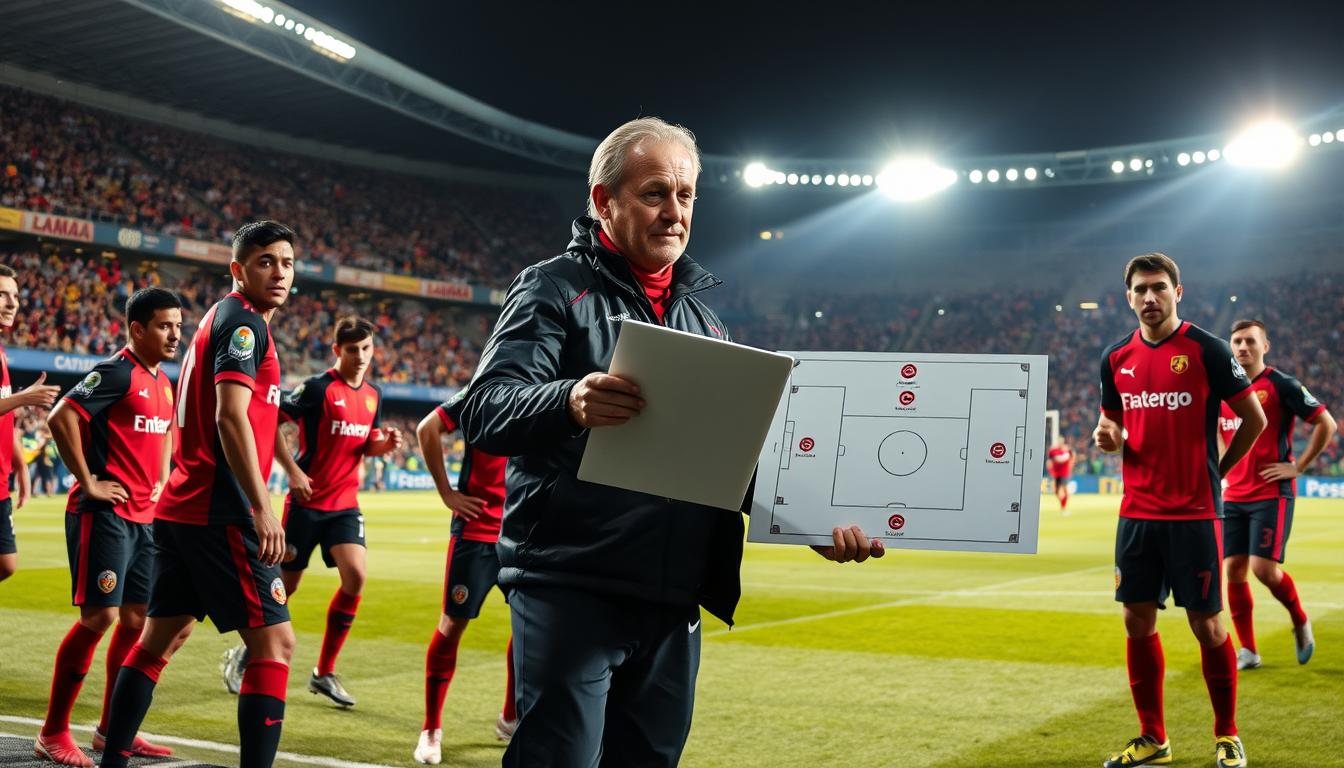
A New Era Dawns: The Turbulent Search for Flamengo's Next Head Coach
The hallowed grounds of Gávea are once again abuzz with change, as Clube de Regatas do Flamengo finds itself in a familiar yet ever-challenging position: the hunt for a new head coach. The recent departure of Tite, followed by the dramatic sacking of Filipe Luís, has plunged the Rubro-Negro into a period of intense speculation regarding who will be the next
flamengo novo técnico. This isn't just about filling a vacant position; it's about finding a leader capable of navigating immense pressure, delivering silverware, and unifying a club steeped in high expectations and passionate support.
The Unexpected Departure of Filipe Luís: A Shockwave Through Gávea
The news of Filipe Luís's dismissal sent shockwaves through the Flamengo faithful, landing at a perplexing 1 AM after a period of escalating internal tensions. What made the decision even more baffling from an external perspective was the timing: it came hot on the heels of an emphatic 8-0 victory. However, as often happens in football, a scoreline rarely tells the full story.
Filipe Luís's tenure, while brief, was remarkably successful on paper. He concluded his 100 matches in charge with an impressive record of 63 wins, 22 draws, and just 15 losses. More significantly, he etched his name into Flamengo's rich history by securing an impressive five titles, including the Copa do Brasil in 2024, alongside triumphs in the Supercopa do Brasil, Campeonato Carioca, Brasileiro, and the coveted Copa Libertadores in 2025. These achievements positioned him third in the club's coaching pantheon, trailing only legends Jorge Jesus and Flávio Costa. Yet, despite this seemingly stellar record, the club's president, Luiz Eduardo Baptista, known as Bap, made the decisive call for a change in leadership. The immediate reaction from players, many of whom contacted the coach to offer support, underscored the surprise and disappointment within the dressing room at the sudden shift in Flamengo's managerial landscape.
Unpacking the Tensions: Why Filipe Luís's Tenure Unraveled
While Filipe Luís's trophy cabinet might suggest a smooth ride, the reality behind the scenes was far more complex and fraught with strain. The true reasons for his departure, and the urgent need for a
flamengo novo técnico, stemmed from a series of escalating issues that had been brewing since December.
A critical turning point was the loss of the Recopa Sul-Americana title, closely followed by a defeat to Corinthians in the Supercopa do Brasil. These early-season setbacks, coupled with an "atypical" start that saw the main team suffer five defeats in just 12 matches, highlighted a perceived dip in performance that the board could not overlook, especially given the significant investment in the squad.
Beyond results, the relationship between Filipe Luís and the club's hierarchy had deteriorated. Contract negotiations in December dragged on for months, leaving the coach feeling exposed by leaks to the media, while the board sought further financial concessions. It was revealed that President Bap had already been sounding out other coaches, including Leonardo Jardim, even before Filipe Luís signed a new deal through 2027 – a deal that ultimately lasted just over two months. Another significant clash arose when Bap reportedly ordered senior players to participate in an early Campeonato Carioca match against Vasco, disrupting Filipe Luís's planned integration of the first team after the Under-20s' poor start. These incidents painted a picture of a strained working relationship, where Bap was reportedly never fully convinced by Filipe Luís after taking office, with the 2024 Copa do Brasil title merely delaying the inevitable. The frayed relations with director José Boto further compounded the situation, creating an environment ripe for change.
The Search for Flamengo's Next Leader: Leonardo Jardim Emerges
With the Carioca final against arch-rivals Fluminense looming, the Flamengo board is under immense pressure to swiftly appoint the next
flamengo novo técnico. The urgency is palpable, as the club aims to stabilize its leadership before a crucial clash that could define the early season.
Currently, the strongest candidate being considered for the hot seat is Portuguese coach Leonardo Jardim. Jardim is a name familiar to many in Brazilian football, having recently managed Cruzeiro. He departed the Minas Gerais team at the end of the year, citing personal issues related to his physical and mental health, particularly after a taxing year dealing with work pressures and his wife's health problems. During his 55 matches at Cruzeiro, Jardim secured 26 wins, 18 draws, and 11 losses, showcasing a pragmatic yet effective coaching style. His previous experience includes successful stints in European football, which could be attractive to a Flamengo side that often looks for coaches with international pedigree. The option of Jardim had, in fact, resurfaced and advanced even before Flamengo's semi-final match against Madureira, indicating that he has been on the club's radar for some time. His track record and availability make him a compelling choice to lead the Rubro-Negro into their next chapter.
What Does Flamengo Need in a New Coach? Analysis & Insights
Identifying the ideal
flamengo novo técnico goes far beyond selecting a prominent name; it requires a deep understanding of the club's unique ecosystem. Flamengo is not merely a football team; it's a national phenomenon, a pressure cooker where expectations are sky-high and patience is often in short supply.
Firstly, tactical acumen is non-negotiable. The incoming coach must implement a clear, effective playing style that maximizes the immense talent available in the squad. Flamengo boasts a star-studded roster, and the new manager's challenge will be to find the perfect tactical blend that allows these individual talents to shine collectively, especially in high-stakes matches. This requires adaptability and the ability to switch strategies when necessary, a quality often found in coaches with diverse international experience.
Secondly, exceptional man-management skills are paramount. With a squad full of established stars and significant personalities, the ability to build strong relationships, maintain discipline, and foster a cohesive team environment will be critical. The new coach must be a unifying figure, capable of quelling any potential dressing-room discontent and ensuring everyone is pulling in the same direction. Previous internal conflicts underscore the need for a leader who can navigate complex interpersonal dynamics.
Furthermore, the new
flamengo novo técnico must possess an unshakeable resilience to handle the relentless pressure from the media and the passionate *Nação Rubro-Negra*. Flamengo managers are constantly under scrutiny, and the ability to absorb criticism, maintain focus, and transmit confidence to the players is essential. A coach who can thrive in this intense environment, and perhaps even leverage the crowd's energy, will have a distinct advantage. Immediate impact is often demanded, but the club should also seek someone capable of building a sustainable, long-term project, rather than just a quick fix. Practical tips for the board include prioritizing coaches with a proven track record of handling high-pressure environments, a clear philosophy, and strong communication skills. They should also consider whether the candidate's vision aligns with the club's strategic goals and investment in the squad continuity. For a deeper dive into potential tactical shifts or long-term strategies, readers might explore discussions like
flamengo novo técnico - Article 2 and
flamengo novo técnico - Article 3.
The search for Flamengo's next coach is a pivotal moment that will shape the club's immediate future and its pursuit of further glory. The appointment of the right
flamengo novo técnico will not only define their campaign in the upcoming Carioca final but also set the tone for their ambitions in continental and domestic competitions. With the stakes incredibly high, all eyes are on Gávea to see who will step up to lead the Rubro-Negro into this crucial new era.