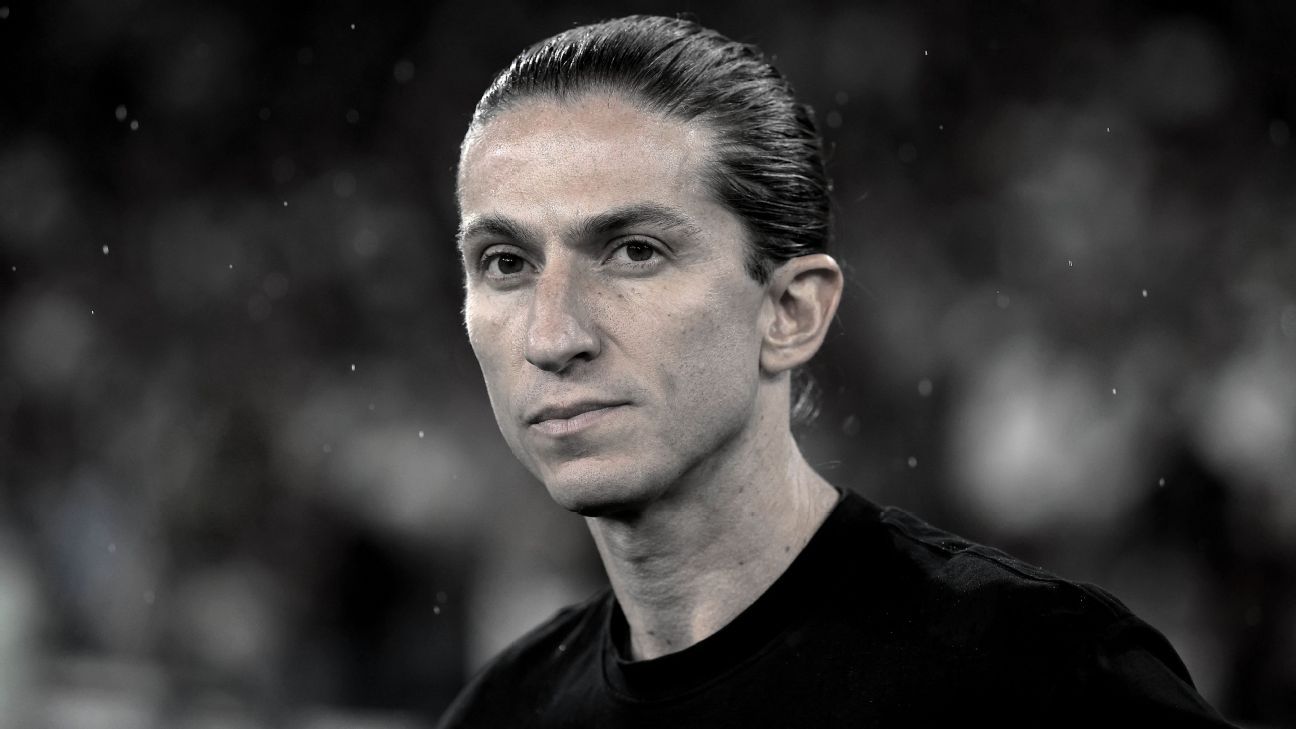
The Coaching Carousel Spins: Unpacking Filipe Luís's Shocking Exit and the Hunt for Flamengo's New Head Coach
The world of Brazilian football is rarely dull, but even by its tumultuous standards, the recent coaching change at Clube de Regatas do Flamengo has sent shockwaves through the sport. Despite an incredibly successful tenure marked by multiple major titles and a formidable win rate, Filipe Luís has been unceremoniously dismissed as head coach. This dramatic decision has plunged Brazil's most popular club into an urgent search for a
flamengo novo técnico, with the critical Campeonato Carioca final looming large. The dismissal, coming even after an emphatic 8-0 victory, highlights a complex interplay of on-field performance, internal politics, and the relentless pressure cooker that is Flamengo.
Filipe Luís's Paradoxical Departure: A Legacy of Triumph Cut Short
Filipe Luís's sacking from the Flamengo hot seat is a narrative of paradox. On one hand, his statistical record is nothing short of stellar. In his 100 matches in charge, he achieved an impressive 63 wins, 22 draws, and just 15 losses, demonstrating a clear dominance. Furthermore, his trophy cabinet at Flamengo was rapidly filling, cementing his place in the club's illustrious history. He guided the team to no less than five major titles: the Copa do Brasil in 2024, followed by a remarkable quadruple in 2025, securing the Supercopa do Brasil, the Campeonato Carioca, the Campeonato Brasileiro, and the coveted Copa Libertadores. Such a haul would typically guarantee a coach legendary status and job security for years. Indeed, he leaves the position trailing only icons like Jorge Jesus and Flávio Costa in terms of achievements, a testament to his immediate impact.
Yet, despite this glorious run, the axe fell. The announcement, delivered unexpectedly at one in the morning, stunned players and fans alike. Leaders within the squad, such as Danilo, reportedly contacted Filipe Luís to offer their support, underscoring the dressing room's positive regard for the coach. There was no opportunity for a traditional farewell, marking an abrupt and somewhat cold end to a period of significant success. This stark contrast between widespread admiration and sudden dismissal underscores the unique and often brutal demands of managing a club of Flamengo's stature. The immediate question on everyone's lips became: who would be the next
flamengo novo técnico to step into such a demanding role?
Beyond the Scoreboard: Unpacking the Deeper Tensions Behind the Sacking
While recent results like the loss of the Recopa Sul-Americana title and the Supercopa do Brasil to Corinthians, alongside an "atypical" start to the season with five defeats in 12 matches, were cited as immediate triggers, Filipe Luís's dismissal was the culmination of months of underlying strain. The decision, driven primarily by club president Luiz Eduardo Baptista, known as Bap, stemmed from a deeper desire for a change in leadership and a philosophical divergence that had been simmering for a while.
Several factors contributed to this breakdown in relations:
*
Contractual Disputes and Trust Issues: Tensions first flared during protracted contract negotiations in December. Filipe Luís reportedly felt exposed by leaks to the media, while the board pushed for further financial concessions. Despite eventually signing a deal through 2027, the agreement proved short-lived, lasting just over two months. This early friction eroded trust and set a precedent for future disagreements.
*
Presidential Scrutiny and Alternative Candidates: President Bap was reportedly never fully convinced by Filipe Luís, even after the initial success of the 2024 Copa do Brasil. Insiders revealed that Bap had already sounded out other coaches, including Portuguese tactician Leonardo Jardim, as early as December – even before Filipe Luís penned his long-term deal. This indicates a consistent exploration of alternatives, suggesting Filipe Luís's position was precarious from the outset.
*
Strategic Clashes and Board Intervention: A significant point of contention arose over Bap's decision to order senior players to feature in the Campeonato Carioca's fourth game against Vasco on January 21st. This move disrupted Filipe Luís's carefully laid plans for integrating the first team after the under-20s' poor start in the competition. Such direct intervention from the board likely undermined the coach's authority and autonomy.
*
Frayed Relationships Beyond the President: The strain wasn't limited to the coach and president. Relations between Filipe Luís and director José Boto also reportedly frayed, adding another layer of complexity to the internal strife.
These factors demonstrate that even immense on-field success cannot always override fundamental disagreements in vision, strategy, and personal dynamics within a high-stakes environment like Flamengo. The club demanded more, not just in terms of results, but in alignment with the board's evolving expectations for direction and leadership.
The Urgent Quest for Flamengo's New Head Coach: Leonardo Jardim in the Spotlight
With the unexpected departure of Filipe Luís, Flamengo's board now faces the immediate and critical task of appointing a
flamengo novo técnico. The urgency is paramount, as the club aims to have a new coach in place for the hotly anticipated Campeonato Carioca final against fierce rivals Fluminense, scheduled for Sunday. This match isn't just a trophy decider; it's an opportunity for the new manager to make an immediate statement and begin to steady the ship amidst the recent turbulence.
The strongest candidate currently in the sights of the Flamengo board is Portuguese coach Leonardo Jardim. Jardim is a familiar name in top-tier football, known for his tactical acumen and success in various leagues. He most recently managed Cruzeiro in Minas Gerais, a tenure during which he oversaw 55 matches, securing 26 wins, 18 draws, and 11 losses. Jardim's departure from Cruzeiro at the end of the year was attributed to personal issues, as he sought to prioritize his physical and mental health after a taxing year dealing with work pressures and his wife's health problems.
The re-emergence of Jardim as a prime candidate is not surprising, given that President Bap had already explored this option months ago. His profile fits the club's apparent desire for a Portuguese coach, a trend that has seen significant success in Brazilian football, most notably with Jorge Jesus at Flamengo itself.
What could Leonardo Jardim bring to Flamengo as the potential
flamengo novo técnico?
- Tactical Sophistication: Jardim is celebrated for his strategic planning and ability to adapt tactics to different opponents and scenarios. This could provide the stability and consistency Flamengo is seeking.
- Experience at Top Clubs: Having managed successful stints at clubs like Monaco (where he won Ligue 1), Sporting CP, and Olympiacos, Jardim possesses the experience to handle the immense pressure and expectations associated with a club of Flamengo's global standing.
- Player Development: Known for working well with young talent, Jardim could help integrate the promising players from Flamengo's academy alongside its star-studded senior squad.
However, any new coach, including Jardim, will face immediate challenges. Beyond the looming Carioca final, they must navigate the existing squad dynamics, re-establish cohesion, and align with the board's vision that proved so difficult for his predecessor. For more insights into Flamengo's coaching search and potential candidates, be sure to check out
flamengo novo técnico - Article 1 and
flamengo novo técnico - Article 2.
What Flamengo Needs in its Next Leader
The next
flamengo novo técnico won't just be inheriting a talented squad; they'll be stepping into a maelstrom of high expectations, fervent fan passion, and intense internal scrutiny. Success will require more than just tactical brilliance. The ideal candidate will need:
*
A Strong, Unifying Vision: One that aligns seamlessly with the club's overarching strategy and the president's long-term objectives, avoiding the philosophical clashes that plagued Filipe Luís's tenure.
*
Exceptional Man-Management Skills: The ability to command respect, motivate a squad of superstars, and navigate the complex personalities within the dressing room and beyond.
*
Resilience to External and Internal Pressures: Flamengo is a club under constant media scrutiny and fan expectation. The coach must be able to shield the team and maintain focus.
*
A Clear Communication Strategy: To avoid leaks and misunderstandings that can destabilize the club from within.
The appointment of the new coach is not merely about finding a tactical mastermind, but about identifying a leader who can unify the club, manage its powerful personalities, and deliver consistent success under the most intense scrutiny.
The coming days will be pivotal for Flamengo. The dismissal of a highly successful coach like Filipe Luís, despite his impressive trophy haul, serves as a stark reminder of the unique pressures and often unforgiving nature of top-tier football in Brazil. As the club races against time to name its
flamengo novo técnico before the crucial Carioca final, all eyes will be on who steps into the hot seat and whether they can immediately steer the Rubro-Negro back onto a path of undisputed glory. The legacy of Filipe Luís, though cut short, will serve as a high benchmark, setting a challenging standard for whoever assumes the mantle next. The future of Flamengo, and indeed its pursuit of further silverware, hinges on this critical decision.